
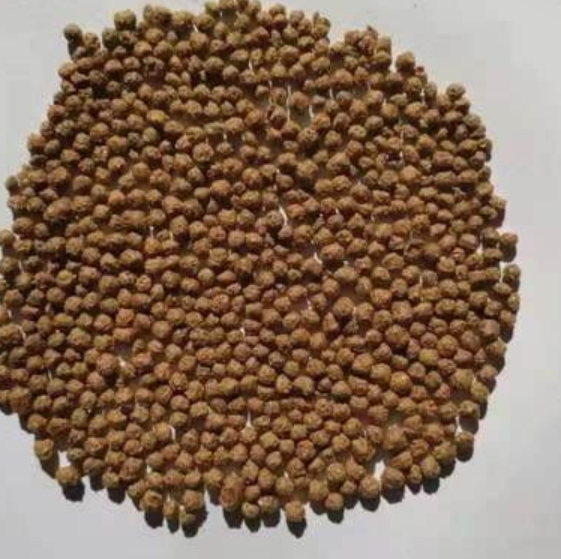
fish feed making machine pet food production line
ToggleHow to Choose the Right Fish Feed Formula
Introduzione
Selecting the right fish feed formula is crucial for optimal growth, health, and cost-efficiency in aquaculture. The ideal feed should meet the nutritional needs of the fish species, promote digestion, and minimize waste. This guide outlines key factors to consider when formulating or selecting fish feed.
1. Understand the Nutritional Requirements
Different fish species have varying dietary needs based on their:
- Life Stage (fingerlings, juveniles, adults, broodstock)
- Species-Specific Needs (carnivorous, omnivorous, or herbivorous)
- Protein Requirements (e.g., shrimp need 30-50%, tilapia 25-35%)
- Fat & Carbohydrate Levels (for energy and growth)
- Essential Vitamins & Minerals (e.g., vitamin C, phosphorus)
Key Nutrients in Fish Feed:
| Nutrient | Function | Common Sources |
|---|---|---|
| Proteine | Muscle growth, enzyme production | Fishmeal, soybean meal, insect meal |
| Lipids (Fats) | Energy, cell membrane health | Fish oil, vegetable oils |
| Carboidrati | Energy (limited use in carnivorous fish) | Wheat, corn, rice bran |
| Fibra | Digestive health (low levels) | Plant-based ingredients |
| Vitamine e minerali | Immune support, metabolism | Premixes, marine ingredients |
2. Select High-Quality Ingredients
Fonti proteiche:
- Animal-Based: Fishmeal, shrimp meal, insect meal (high digestibility).
- Plant-Based: Soybean meal, canola meal (cost-effective but may require supplements).
Fat Sources:
- Fish Oil (rich in omega-3 for marine species).
- Vegetable Oils (cheaper but may lack EPA/DHA).
Binders & Additives:
- Raccoglitori (e.g., wheat gluten, gelatin) improve pellet stability.
- Probiotics & Enzymes enhance digestion.
- Antioxidants (e.g., vitamin E) prevent rancidity.
3. Consider Feed Form & Processing Method
- Floating vs. Sinking Pellets:
- Floating feeds (e.g., for tilapia, catfish) allow easy monitoring.
- Sinking feeds (e.g., for shrimp, bottom feeders) reduce waste.
- Pellet Size: Must match fish mouth size (e.g., 1mm for fry, 4-8mm for adults).
- Extrusion vs. Pelleting:
- Extruded feeds float, have higher starch gelatinization.
- Pressed pellets are denser and sink.
4. Evaluate Cost & Sustainability
- Proteine alternative (e.g., insect meal, algae) reduce reliance on fishmeal.
- Local Ingredient Availability lowers costs (e.g., using rice bran in Asia).
- Anti-Nutritional Factors (e.g., phytates in soybean) must be minimized.
5. Test & Optimize the Formula
- Growth Trials: Monitor weight gain, feed conversion ratio (FCR).
- Water Stability Test: Ensure pellets don’t disintegrate too quickly.
- Palatability Test: Fish should readily consume the feed.
Conclusione
Choosing the right fish feed formula requires balancing nutrition, cost, and sustainability. By understanding species-specific needs, selecting quality ingredients, and optimizing processing methods, farmers can maximize growth efficiency and profitability.
Key Takeaways:
✔ Match feed to fish species & life stage.
✔ Use digestible protein & energy sources.
✔ Optimize pellet size & water stability.
✔ Test formulas for performance & cost-effectiveness.
Parole chiave: Fish Feed Formulation, Aquaculture Nutrition, Protein Sources, Feed Processing
Would you like details on a specific fish species (e.g., tilapia, shrimp, salmon)?




 Italian
  English
  Russian
  Arabic
  Spanish
  Portuguese
  French
  German