
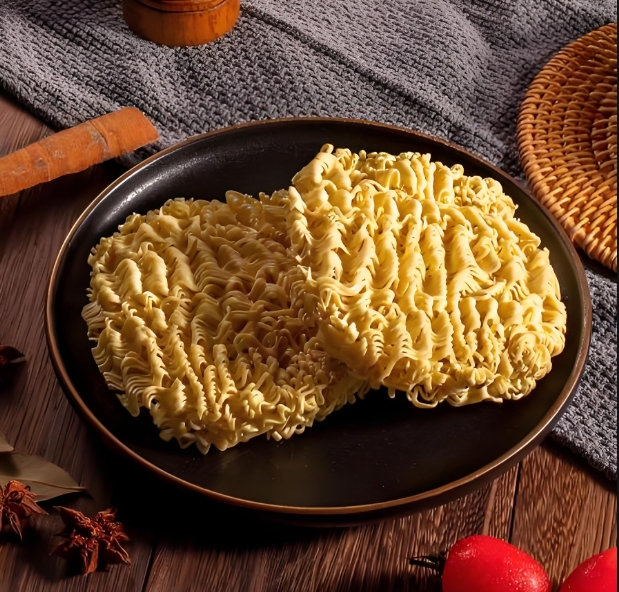
Crafting Quality: The Art and Science of Producing High-Quality Instant Noodles
Instant noodles are a global pantry staple, celebrated for their convenience, affordability, and satisfying taste. However, not all instant noodles are created equal. The journey from simple ingredients to a premium product involves meticulous attention to detail at every stage. Producing high-quality instant noodles is a fascinating blend of traditional craftsmanship and modern food technology.
Here’s a look into the key steps involved in manufacturing superior instant noodles.
1. Ingredient Selection: The Foundation of Quality
The quest for quality begins with sourcing excellent raw materials.
- Flour: High-protein wheat flour (typically 9-12% protein) is essential. The protein content forms a strong gluten network, which gives the noodles their desired firmness, elasticity, and ability to withstand the cooking and frying processes without breaking apart.
- Water: The quality and mineral content of water used in kneading significantly affect the dough’s texture.
- Oil: For fried noodles—the most common type—the choice of frying oil is critical. High-quality, stable oils with a neutral flavor, such as palm, canola, or sunflower oil, are used. The oil must be fresh and maintained at precise temperatures to avoid off-flavors and ensure a long shelf life.
- Seasonings: Premium instant noodles use authentic, high-grade seasonings. This includes real dehydrated vegetables, meats, and seafood, natural spices, and fermented sauces (like soy or miso) instead of relying solely on artificial flavor enhancers.
2. Dough Mixing and Kneading
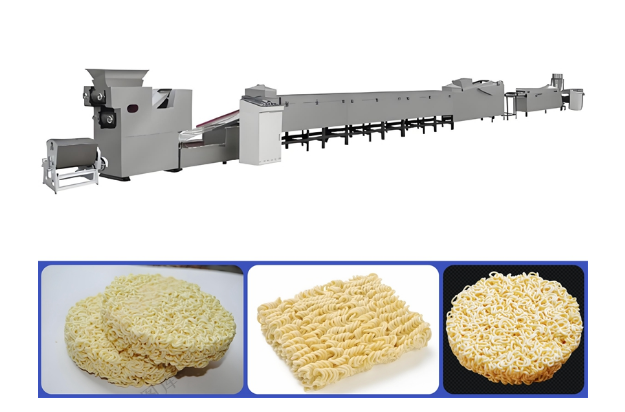
The flour, water, salt, and alkaline agents (like kansui) are combined in a mixer. Kansui is a key ingredient that gives many Asian-style noodles their characteristic yellow color, firm texture, and distinctive flavor. The mixture is kneaded thoroughly to develop the gluten fully, resulting in a smooth, consistent, and elastic dough.
3. Sheet Forming and Slitting
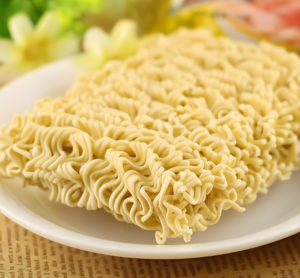
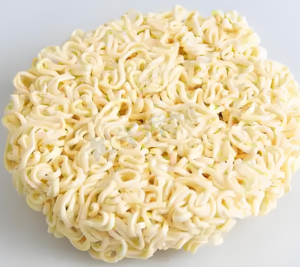
The kneaded dough is then passed through a series of heavy rollers to form a smooth, continuous sheet of uniform thickness. This sheet is then slit into strands by cutting rollers. The width and shape of these cutters determine the noodle’s style—whether thin, thick, wavy, or straight. Wavy noodles, for instance, have a larger surface area and can hold soup better.
4. Steaming and Cooking
The noodle strands are conveyed through a steam tunnel. This steaming process partially gelatinizes the starch, cooking the noodles just enough so they hold their shape. This step is vital for the texture of the final product.
5. Dehydration: The Key to Preservation
This is the most crucial step that defines the noodle’s texture and shelf life. There are two primary methods:
- Deep-Frying (The Traditional Method): The steamed noodles are quickly fried in hot oil (between 150-160°C / 300-320°F) for a minute or two. This rapidly removes moisture, creating a porous structure that allows for very quick rehydration. For high-quality noodles, oil freshness and temperature control are paramount to avoid greasiness or rancidity.
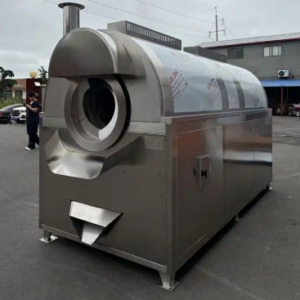
- Air-Drying (A Health-Conscious Alternative): Higher-quality or “non-fried” noodles are dehydrated using hot air. This process takes longer and results in a denser noodle block that takes a few extra minutes to rehydrate. It produces a noodles with a lighter, less oily taste and a firmer, more natural texture reminiscent of fresh noodles.
6. Cooling and Seasoning
After dehydration, the noodles must be cooled to room temperature to ensure they are crisp and stable for packaging. Seasoning is often applied in two ways:
- Powder Packets: A blend of salt, spices, MSG, sugar, and dehydrated ingredients.
- Liquid Packets: Often containing seasoned oil, soy sauce, or chili sauce to add depth and richness. Premium products may include multiple packets for a more complex flavor profile.
7. Packaging
The cooled noodles and seasoning packets are automatically assembled and sealed in waterproof, air-tight packaging. This protects the noodles from moisture and oxygen, the main enemies of crispness and freshness, ensuring a long shelf life.
The Hallmarks of High Quality
When you choose a high-quality instant noodle, you can expect:
- Texture: Firm, chewy, and resilient noodles that don’t become mushy when rehydrated.
- Taste: A well-balanced, nuanced broth or seasoning, not just overwhelmingly salty.
- Appearance: Noodles that are uniform in shape and color, with visible real ingredients in the seasoning.
- Low Oil Oxidation: A fresh, clean taste without any hint of greasiness or rancidity.




 English
  Russian
  Arabic
  Spanish
  Italian
  Portuguese
  French
  German