
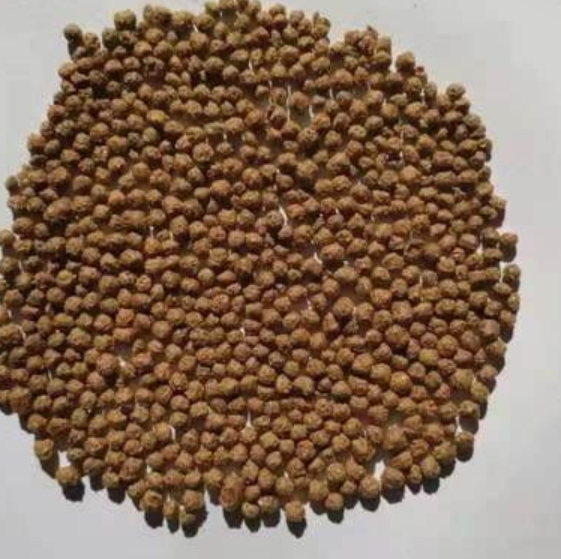
How a Fish Feed Extruder Works: Transforming Raw Ingredients into Nutritious Pellets
Fish feed extrusion is a sophisticated thermo-mechanical process that converts a mixture of raw ingredients into highly digestible, water-stable feed pellets. This technology is crucial for modern aquaculture, enabling the production of feed tailored to the specific nutritional needs of various fish species. Here’s a step-by-step breakdown of how a fish feed extruder works:
1. Ingredient Preparation and Pre-Conditioning
The process begins with raw materials—such as fishmeal, soybean meal, grains, vitamins, and binders—being ground into a fine powder. This mixture is then transferred to a pre-conditioner, where steam and liquid additives (e.g., water, oils) are injected. Pre-conditioning hydrates the ingredients, initiates starch gelatinization, and partially cooks the mixture, improving its plasticity and preparing it for extrusion.
2. Feeding into the Extruder Barrel
The pre-conditioned material is fed into the extruder barrel via a screw feeder. The barrel houses a single or twin screw(s) that rotate within a tightly fitted cylindrical chamber. As the screw(s) turn, they convey the material forward through the barrel.
3. Cooking and Shear Energy Application
Inside the barrel, the material undergoes intense mechanical shear and thermal cooking:
- Mechanical Shear: The rotating screw(s) generate friction and pressure, further heating and kneading the mixture into a viscous dough.
- Thermal Energy: Heating elements or steam jackets along the barrel maintain precise temperatures (typically 90–150°C), fully cooking the mixture. This step gelatinizes starches, denatures proteins, and destroys anti-nutritional factors, enhancing digestibility and safety.
4. Compression and Homogenization
The screw(s) are designed with progressively shallower flights or reverse-flight segments to increase pressure (up to 30–40 bar) and compress the material. This ensures uniform mixing and homogenization, creating a consistent molten paste.
5. Forming Pellets Through the Die
The cooked material is forced through a die plate at the end of the barrel. The die contains shaped holes (e.g., circular, ring-shaped) that determine the pellet size and form. As the material exits the die, it experiences a sudden pressure drop, causing trapped moisture to vaporize and expand the pellets. This expansion creates a porous, floating pellet (or a sinking pellet, if processed differently).
6. Cutting and Pellet Sizing
A rotating knife cutter positioned immediately after the die cuts the extruded strands into precise pellets. The cutter speed can be adjusted to control pellet length.
7. Post-Processing: Drying and Coating
The freshly extruded pellets are soft, moist (~20–30% moisture), and unstable. They are conveyed to:
- Dryers: Hot air dryers reduce moisture to ~10%, ensuring shelf stability and hardness.
- Coolers: Coolers bring the pellets to ambient temperature.
- Oil Coaters: Liquid additives (e.g., fish oil, vitamins, pigments) are sprayed onto the pellets to enhance nutrition, palatability, and water resistance.
Key Mechanisms Behind Floating vs. Sinking Feed
- Floating Feed: Achieved through rapid expansion during extrusion, creating air pockets that reduce density.
- Sinking Feed: Produced by limiting expansion (e.g., lower temperature, higher moisture, post-extrusion densification).
Advantages of Extruded Fish Feed
- Customization: Pellet size, density, and nutrition can be tailored to species (e.g., shrimp, salmon).
- Digestibility: Gelatinized starches and denatured proteins improve nutrient absorption.
- Water Stability: Pellets remain intact in water, reducing waste and pollution.
- Pathogen Reduction: High heat eliminates bacteria and molds.
- Extended Shelf Life: Low moisture content prevents spoilage.
Applications
Extruders produce feed for:
- Fish (e.g., tilapia, trout, salmon)
- Shrimp and crustaceans
- Ornamental fish
Conclusion
The fish feed extruder is a marvel of engineering that combines thermal, mechanical, and hydraulic principles to transform raw ingredients into nutritionally optimized, environmentally friendly feed. Its ability to control texture, buoyancy, and nutrient delivery makes it indispensable for sustainable aquaculture operations worldwide. By understanding this process, producers can maximize feed efficiency and support healthier fish growth.




 English
  Russian
  Arabic
  Spanish
  Italian
  Portuguese
  French
  German