
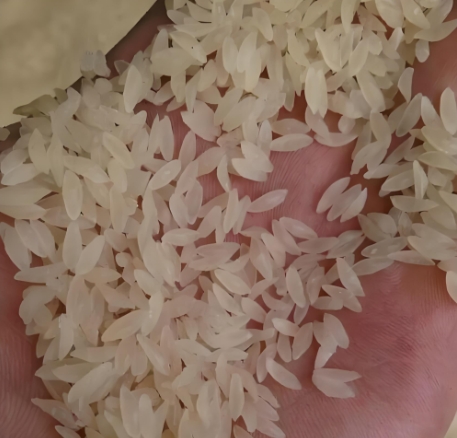
Macchina per la produzione di riso istantaneo
ToggleHow to make Instant Rice ?
Instant rice (also called quick-cooking rice o pre-cooked rice) is a convenient food product that cooks in just a few minutes by simply adding hot water. The production process involves partially or fully cooking rice, then dehydrating it for quick rehydration. Here’s a detailed breakdown of how it’s made.
1. Selezione della materia prima
- Rice variety: Long-grain white rice is most common due to its stability, but brown rice, jasmine, or basmati can also be used.
- Quality control: Only clean, whole grains are selected to ensure uniform texture.
2. Cleaning & Soaking
- The rice is washed to remove dust, husks, and impurities.
- It may be soaked in water to soften the grains before cooking (optional, depending on the method).
3. Precooking (Partial or Full Cooking)
There are two main methods to precook rice for instant production:
A. Boiling & Steaming Method
- Rice is boiled in excess water until 70–90% cooked.
- It is then steamed to complete gelatinization (softening of starch).
- This method retains more nutrients but requires careful drying.
B. Pressure Cooking Method (More Common in Industry)
- Rice is cooked under high-pressure steam (around 120°C / 250°F) for 5–10 minutes.
- This fully gelatinizes the starch, making rehydration faster.
4. Rapid Cooling & Drying
- After cooking, the rice is quickly cooled to stop further starch changes.
- Dehydration methods:
- Hot-air drying (most common): Rice is dried in a conveyor-belt dryer at 60–80°C (140–180°F) until moisture drops to 6–8%.
- Freeze-drying (for premium instant rice): Rice is frozen, then moisture is removed via sublimation (better texture but more expensive).
5. Flaking or Puffing (Optional for Some Varieties)
- Some instant rice is flattened (flaked) to speed up rehydration.
- Puffed rice (like in instant rice cereals) is made by quick heating, causing expansion.
6. Fortification (Optional)
- Vitamins (B1, B3, iron) may be sprayed on to enhance nutritional value.
7. Imballaggio
- Imballato in airtight, moisture-proof bags or cups.
- Risciacquo con azoto may be used to extend shelf life (up to 2 years).
Types of Instant Rice
| Tipo | Processing Method | Cooking Time |
|---|---|---|
| Dehydrated White Rice | Precooked & air-dried | 5–7 minutes |
| Freeze-Dried Rice | Frozen & vacuum-dried | 3–5 minutes |
| Brown Instant Rice | Partially cooked & dried | 8–10 minutes |
| Microwaveable Rice | Fully cooked & sealed in pouches | 1–2 minutes |
Vantaggi del riso istantaneo
✔ Fast preparation (ready in minutes vs. 15–20 mins for regular rice).
✔ Lunga durata di conservazione (doesn’t spoil easily).
✔ Convenient for camping, emergencies, and quick meals.
Disadvantages
✖ Slightly different texture (can be softer or grainier than fresh rice).
✖ Some nutrient loss during processing (unless fortified).
Conclusione
Instant rice is made by precooking, drying, and packaging rice for quick rehydration. While it sacrifices some texture compared to traditionally cooked rice, its convenience makes it a staple in households, restaurants, and emergency food supplies.
Would you like a comparison between instant rice and regular rice in terms of nutrition? 😊




 Italian
  English
  Russian
  Arabic
  Spanish
  Portuguese
  French
  German