
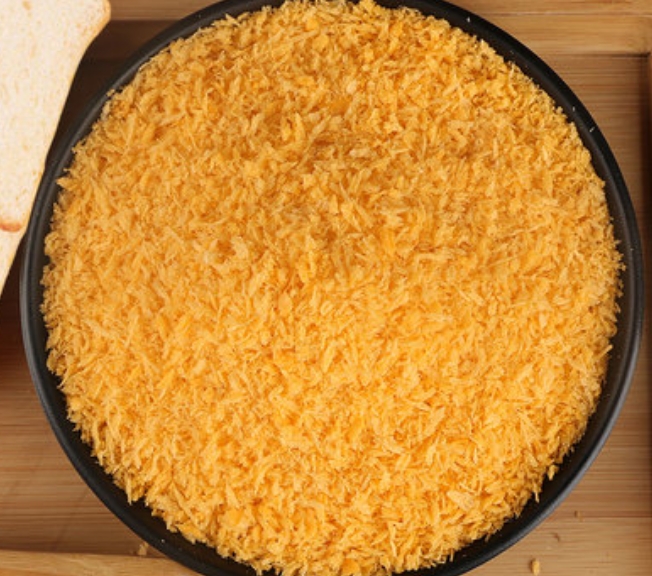
A Guide to Bread Crumb Varieties: Types, Uses, and Characteristics
Bread crumbs are a versatile and essential ingredient in many cuisines worldwide, used for coating, binding, topping, and adding texture to dishes. They come in various forms, each with distinct characteristics and culinary applications. Understanding the different types of bread crumbs can help both home cooks and professional chefs achieve better results in their recipes.
1. Traditional Bread Crumbs
Description: Made from dried or toasted bread that is ground or crushed into coarse or fine particles.
Subtypes:
- Plain Bread Crumbs: Simple crumbs made from neutral-flavored bread like white or wheat bread. They are versatile and suitable for both savory and sweet dishes.
- Seasoned Bread Crumbs: Pre-mixed with herbs, spices, salt, and sometimes cheese or garlic. Ideal for adding instant flavor to coatings.
Uses: - Breading for fried or baked foods (e.g., chicken cutlets, fish fillets).
- Binding agent in meatballs, meatloaf, or veggie burgers.
- Topping for casseroles or baked pasta dishes.
2. Panko Bread Crumbs
Description: A Japanese-style bread crumb made from crustless white bread. Panko has a light, flaky, and airy texture with larger, irregular pieces.
Characteristics:
- Absorbs less oil than traditional bread crumbs, resulting in a crispier, lighter coating.
- Neutral flavor, making it adaptable to various cuisines.
Uses: - Perfect for crispy fried foods like tempura, tonkatsu, or fried shrimp.
- Adds crunch to baked dishes like macaroni and cheese or gratins.
3. Fresh Bread Crumbs
Description: Made from freshly baked or slightly stale bread (without drying completely). They have a soft, moist texture and larger crumbs.
Characteristics:
- Softer and less dense than dried bread crumbs.
- Absorb flavors well but provide a gentler crunch.
Uses: - Stuffing and dressing for poultry or vegetables.
- Binding for delicate items like crab cakes or croquettes.
- Topping for baked dishes where a subtle crunch is desired.
4. Dry Bread Crumbs
Description: Fully dehydrated and finely ground crumbs with a sandy texture. Often store-bought but can be homemade by oven-drying or toasting bread.
Characteristics:
- Long shelf life and crisp texture.
- Ideal for creating a firm, even coating.
Uses: - Breading for frying or baking.
- Thickening agent for soups and stews.
- Base for breading mixtures combined with herbs or spices.
5. Gluten-Free Bread Crumbs
Description: Made from gluten-free bread (e.g., rice, corn, or almond flour-based). Designed for those with gluten intolerance or celiac disease.
Characteristics:
- Vary in texture depending on the base ingredient (can be finer or grittier).
- Often require added binders like xanthan gum for better adhesion.
Uses: - Gluten-free frying or baking coatings.
- Binding for gluten-free meatballs or burgers.
6. Flavored or Specialty Bread Crumbs
Description: Artisanal or commercially prepared crumbs with unique flavors. Examples include:
- Herb-Infused: With parsley, oregano, or thyme.
- Cheese-Blended: Mixed with Parmesan or Romano cheese.
- Spicy Varieties: Infused with chili, paprika, or black pepper.
Uses: - Adding complexity to coatings and toppings.
- Enhancing salads, soups, or pasta dishes.
7. Homemade vs. Store-Bought
- Homemade Bread Crumbs: Allow control over texture, flavor, and ingredients. Use leftover bread to reduce waste.
- Store-Bought Bread Crumbs: Convenient and consistent but may contain additives or preservatives.
How to Choose the Right Bread Crumb
- For Crispy Frying: Panko is ideal for light, crunchy textures.
- For Binding: Fine dry bread crumbs work best in meatballs or burgers.
- For Topping: Fresh bread crumbs add a delicate crunch to baked dishes.
- For Dietary Needs: Gluten-free or whole-grain options cater to health preferences.
Conclusion
Bread crumbs are far more than a simple pantry staple—they are a dynamic ingredient that can elevate textures and flavors across countless recipes. By understanding the differences between varieties like panko, traditional, fresh, and gluten-free crumbs, cooks can make informed choices to achieve desired results. Whether used for frying, baking, binding, or topping, the right bread crumb can make all the difference in creating delicious, well-executed dishes.





 English
  Russian
  Arabic
  Spanish
  Italian
  Portuguese
  French
  German