

An Introduction to Extruder Machines
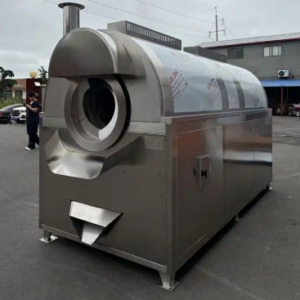
The extruder machine, often simply called an extruder, is a pivotal piece of industrial equipment that has revolutionized food processing, animal feed production, and the plastics industry. By applying heat, pressure, and mechanical shear, it transforms raw materials into expanded, structured products. Here is a comprehensive overview of its history, functionality, and care.
1. A Brief History of the Extruder
The development of the extruder is a story of incremental innovation. Its origins lie in the mid-19th century with the invention of the first piston-driven extruders for manufacturing lead pipes and wires. However, the technology truly began to flourish in the 1930s with its adaptation for food processing. The first single-screw extruders were used to manufacture pasta and cereal products.
A significant breakthrough came in the 1940s with the invention of the expander, a high-shear machine used for animal feed. The modern twin-screw extruder, which offers superior control over the process and can handle a wider variety of ingredients, was developed and commercialized in the 1970s. Since then, advancements in precision engineering, automation, and control systems have made extruders highly efficient, versatile, and essential machines across countless industries.
2. The Function of an Extruder
At its core, an extruder’s function is to transform a powdery or granular raw material (e.g., cornmeal, soy flour, plastic pellets) into a cooked, textured, and shaped product. This is achieved through a continuous process that combines several unit operations:
- Mixing and Kneading: Ingredients are blended into a uniform dough.
- Cooking: The material is subjected to high temperature and pressure inside the barrel, which gelatinizes starches, denatures proteins, and eliminates harmful microorganisms.
- Shearing: The screws generate mechanical shear, which further breaks down the molecular structure of the material.
- Forming and Shaping: The molten mass is forced through a die at the end of the barrel, which gives the product its final shape (e.g., spheres, stars, tubes, sheets).
- Expansion (“Puffing”): As the hot, pressurized product exits the die, the sudden drop to atmospheric pressure causes trapped moisture to flash into steam, rapidly expanding the product and creating its characteristic light, airy texture.
3. How to Use an Extruder
Operating an extruder requires careful attention to procedure for both product quality and operator safety.
- Pre-Startup Check: Ensure the machine is clean and all safety guards are in place. Verify that the die and cutting mechanism are correctly installed.
- Heating: Start the barrel heating zones, allowing them to reach the predetermined target temperatures for the specific product recipe.
- Feeding: Start the main drive motor at a low speed. Begin feeding the pre-mixed raw materials into the feed hopper at a steady, controlled rate.
- Process Stabilization: As the material fills the barrel, monitor the motor’s amperage (load), temperature, and pressure. Adjust the feed rate, screw speed, and heater settings until the product exiting the die has the desired texture, shape, and color. This is often a delicate balancing act.
- Cutting: Engage the rotary cutter to slice the extrudate to the desired length.
- Shutdown: To conclude a run, first stop the feed. Once the extrudate stops emerging, shut down the main motor and heating elements.
4. Cleaning an Extruder
Thorough cleaning is critical to prevent cross-contamination between product batches, maintain hygiene, and avoid microbial growth.
- Post-Use Purge: After shutdown, run a “purge material” (often a high-fiber grain like rice bran or a dedicated cleaning compound) through the machine to push out residual product.
- Disassembly: Once cooled, disconnect and remove the die head, cutting assembly, and, if possible, the screws.
- Manual Cleaning: Clean all disassembled parts, the barrel interior, and the feed hopper with appropriate brushes, scrapers, and food-safe cleaning agents. Avoid abrasive tools that can damage surfaces.
- Sanitization: After washing and rinsing, sanitize all parts to ensure they are microbiologically clean before the next production run.
- Reassembly: Carefully reassemble the machine, ensuring all components are properly secured.
5. Maintenance and Care of an Extruder
Proactive maintenance ensures longevity, minimizes downtime, and guarantees consistent product quality.
- Daily/Pre-Shift Checks: Visually inspect the machine for leaks, unusual noises, or vibrations. Check lubrication levels in gearboxes and bearings.
- Scheduled Lubrication: Follow the manufacturer’s strict schedule for greasing bearings and changing oil in the main reduction gearbox.
- Wear Inspection: Regularly inspect the screws, barrel liners, and die for signs of wear or abrasion. Worn parts can drastically affect processing efficiency and product quality.
- Drive System Check: Monitor belt tension and alignment on motors that use a belt drive system.
- Calibration: Periodically calibrate temperature sensors and pressure transducers to ensure process data is accurate.
the extruder is a marvel of engineering that has evolved significantly from its humble beginnings. Understanding its history, respecting its functionality, and adhering to strict protocols for its operation, cleaning, and maintenance are the keys to unlocking its full potential for producing a vast array of products that define modern life.




 English
  Russian
  Arabic
  Spanish
  Italian
  Portuguese
  French
  German