
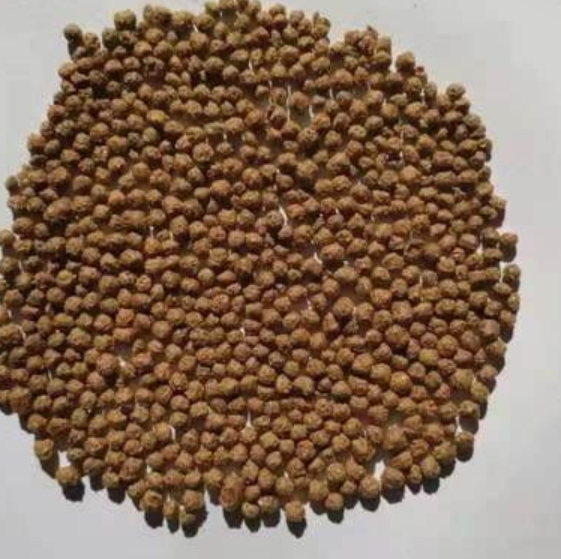
How to Produce Floating Fish Feed: A Step-by-Step Guide
Floating fish feed is a cornerstone of modern aquaculture, offering advantages like easy monitoring of consumption, reduced waste, and improved feed conversion ratios. Its production relies on the precise application of heat, pressure, and mechanical shear through a process called extrusion. Here is a detailed guide to producing high-quality floating fish feed.
1. Ingredient Selection and Formulation
The process begins with a nutritionally balanced recipe designed for the target species (e.g., tilapia, catfish, carp).
- Protein Sources: Fish meal, soybean meal, poultry by-product meal.
- Energy Sources: Grains like corn, wheat, or rice; their starch is critical for expansion.
- Binders: Wheat gluten, guar gum, or alginate to enhance pellet durability.
- Lipids: Fish oil, vegetable oil, or phospholipids for energy and essential fatty acids.
- Additives: Vitamins, minerals, antioxidants, and probiotics to ensure complete nutrition.
2. Grinding and Mixing
- Grinding: Raw ingredients are ground into a fine powder (typically ≤ 250 microns) using a hammer mill or pulverizer. Fine particle size ensures uniformity, improves binding, and enhances digestibility.
- Mixing: The powdered ingredients are thoroughly blended in a horizontal ribbon mixer or paddle mixer to achieve a homogeneous distribution of all nutrients.
3. Pre-Conditioning
The mixed powder is transferred to a pre-conditioner, where steam and water are added. This step:
- Hydrates the mixture, initiating starch gelatinization.
- Partially cooks the ingredients, improving digestibility.
- Reduces mechanical wear on the extruder and enhances production efficiency.
4. Extrusion: The Key to Floating Feed
The preconditioned material is fed into an extruder—typically a single-screw or twin-screw machine. The extrusion process is critical for creating floating feed:
- Cooking: Inside the extruder barrel, the material is subjected to high temperature (100–150°C), pressure (20–40 bar), and intense mechanical shear. This fully gelatinizes the starch and denatures proteins.
- Expansion: As the cooked material is forced through the die plate at the end of the barrel, it experiences a sudden pressure drop. The superheated water in the material instantly vaporizes, causing the pellet to expand and become porous. This porous structure traps air, making the pellet buoyant.
- Shaping and Cutting: The extruded strands are cut to the desired length by a rotating knife assembly adjacent to the die.
5. Drying
The extruded pellets have a high moisture content (~20–30%) and are soft. They are conveyed to a multi-pass dryer, where hot air (80–100°C) reduces the moisture to ~8–10%. This step hardens the pellets and ensures shelf stability.
6. Cooling
After drying, the pellets are cooled to near ambient temperature using a counter-flow cooler. Cooling prevents condensation and mold growth during storage.
7. Coating (Enrobing)
- Fat and Vitamin Coating: Dried and cooled pellets are transferred to a coating drum. Liquid additives—such as fish oil, vitamins, antioxidants, or pigments—are sprayed onto the pellets. This enhances palatability, nutritional value, and water stability.
- Vacuum Coating: For premium feeds, vacuum coating is used to force oils and nutrients into the pores of the pellets, maximizing absorption.fish extruder machine
8. Screening and Packaging
- Screening: Pellets are screened to remove fines and ensure uniform size.
- Packaging: The finished feed is packaged in sealed bags with nitrogen flushing to prevent oxidative rancidity and preserve freshness.fish extruder machine
Critical Factors for Achieving Buoyancy
- Starch Content: Sufficient starch (≥20%) is necessary for expansion during extrusion.
- Moisture Control: Optimal moisture during preconditioning and extrusion ensures proper expansion.
- Extrusion Parameters: Temperature, pressure, and screw speed must be optimized to create the desired porous texture.
- Die Design: The size and shape of the die holes influence expansion and pellet morphology.
Quality Control Measures
- Buoyancy Test: Pellets should float for ≥12 hours without disintegrating.
- Durability Index: Measured using a pellet durability tester (PDI); should be ≥95% to minimize fines.
- Water Stability: Pellets should maintain integrity after immersion for 1–2 hours.
- Nutrient Analysis: Verify compliance with the formulated nutritional profile.fish extruder machine
Advantages of Floating Feed
- Allows farmers to observe feeding activity and adjust rations.
- Redines waste and water pollution.
- Improves feed accessibility for surface-feeding species.
- Enhanced digestibility due to starch gelatinization.
Conclusion
Producing floating fish feed requires careful selection of ingredients, precise control of extrusion parameters, and stringent quality assurance. The expansion achieved during extrusion is the defining step that confers buoyancy. By optimizing this process, producers can manufacture high-quality, nutritious feed that supports efficient and sustainable aquaculture production.fish extruder machine




 English
  Russian
  Arabic
  Spanish
  Italian
  Portuguese
  French
  German