
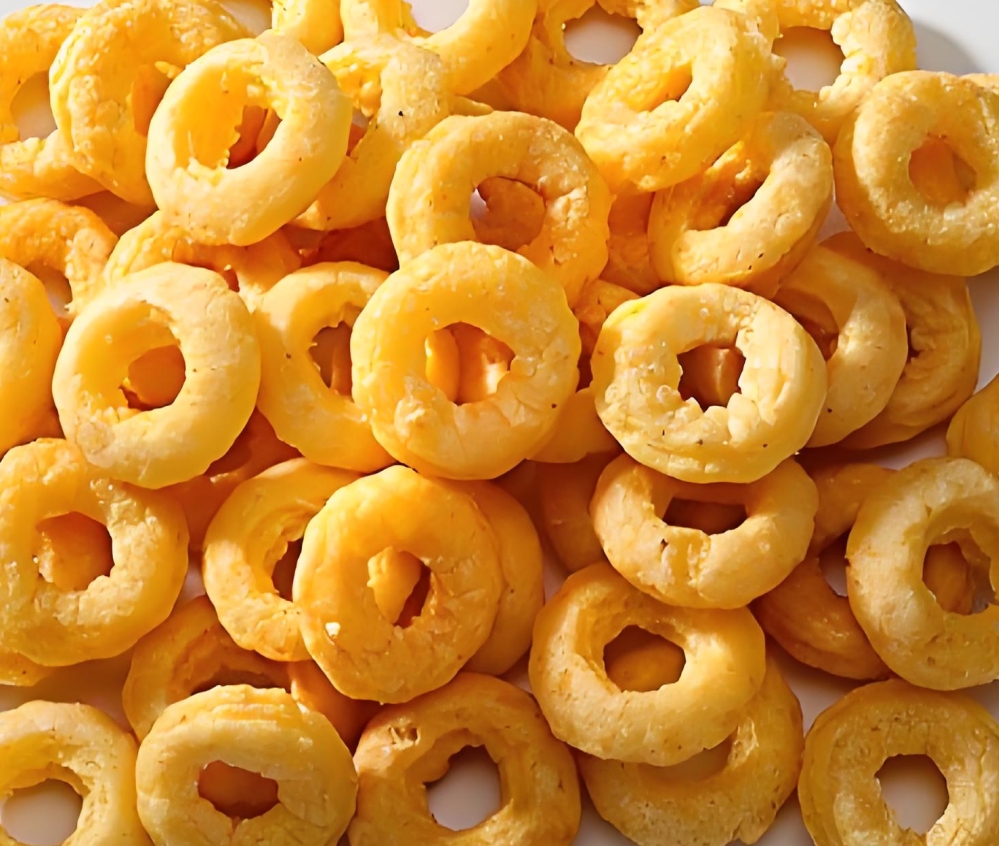
Mastering Moisture Control in Puffed Snack Production
In the production of puffed snacks, moisture is not just an ingredient; it is the fundamental agent of transformation. It governs the physics of puffing, dictates the final texture, and determines the product’s shelf life. Precise control over moisture content at every stage is arguably the most critical factor in producing a consistent, high-quality snack. Here’s a comprehensive guide on how to achieve it.
1. Why Moisture Control is Paramount
Moisture directly influences:
- Expansion and Texture: The right moisture content turns to steam, creating the light, airy structure. Incorrect levels lead to dense, hard, or unevenly puffed products.
- Starch Gelatinization: In the extruder, moisture is essential for starch to gelatinize properly, which is the chemical basis for puffing.
- Shelf Stability: Final moisture content that is too high invites microbial growth (mold, bacteria) and makes the snack prone to staleness and loss of crunch.
- Oil Absorption: In frying, the moisture inside the product flash-boils, creating a barrier that limits excessive oil uptake.
2. Controlling Moisture at Each Production Stage
Stage 1: Raw Material Input (The Starting Point)
- Consideration: The inherent moisture content of corn meal, rice flour, or other grains can vary based on storage conditions and the supplier.
- Control Method: Implement strict incoming quality control (IQC). Test batches of raw materials for moisture content upon arrival using a moisture analyzer (e.g., halogen lamp or infrared dryer). Establish specifications and reject or adjust recipes for batches outside the acceptable range. Consistent raw materials are the first step to a consistent process.
Stage 2: Pre-conditioning and Mixing (The Recipe)
- Consideration: This is where the total moisture content of the dough is set. The water-to-dry mix ratio must be exact and repeatable for every batch.
- Control Method:
- Use precision liquid meters and weight scales for both dry and liquid ingredients. Automated batching systems are far superior to manual methods.
- The water temperature can also be controlled to aid in the initial hydration of the starch.
Stage 3: Extrusion (The Transformation)
- Consideration: Inside the extruder, moisture acts as a plasticizer and a blowing agent. The goal is to achieve complete starch gelatinization and create superheated steam.
- Control Method:
- The extruder’s screw configuration, speed, and barrel temperature must be perfectly balanced with the moisture input. Higher screw speeds generate more mechanical shear and heat, which can effectively change how the moisture behaves.
- Modern twin-screw extruders offer incredible control. Operators can inject water directly into different barrel zones to precisely manage the dough’s consistency and temperature throughout the cooking process.
- A stable, consistent feed rate of the pre-mixed dough is essential. Any fluctuation will cause variations in residence time inside the barrel, leading to uneven cooking and moisture distribution.
Stage 4: Drying (Stabilization)
- Consideration: The product exiting the extruder has a high moisture content (e.g., 8-12%) and is soft. It must be dried to create a stable, crisp structure.
- Control Method:
- Use a multi-pass dryer with precisely controlled air temperature, humidity, and airflow. The product moves on belts through different zones.
- The drying must be gradual and even. Too much heat too quickly will cause “case hardening”—where the outside becomes a hard shell, trapping moisture inside. This results in a soft center and a shortened shelf life.
- The target is to reduce the moisture content to a very low level, typically 1-3%, for maximum crispness and stability.
Stage 5: Frying (Alternative to Drying)
- Consideration: For fried snacks, the moisture inside the product is what prevents excessive oil absorption. As the internal water flashes to steam, it creates an outward pressure.
- Control Method:
- The moisture content of the pellet entering the fryer must be consistent.
- The fryer oil temperature is the primary control. If the oil is too cool, the water doesn’t vaporize quickly enough, and the snack will absorb oil and become greasy. The optimal temperature range is typically 160-190°C (320-375°F).
Stage 6: Cooling (Equilibration)
- Consideration: Before packaging, the product must be cooled to ambient temperature.
- Control Method: Use cooling conveyors. If warm product is packaged, residual heat will cause condensation to form inside the bag. This moisture will be re-absorbed by the snack, making it soft and chewy and drastically reducing its shelf life.
Stage 7: Packaging (The Final Barrier)
- Consideration: Puffed snacks are highly hygroscopic—they will eagerly absorb moisture from the air.
- Control Method:
- Use high-barrier packaging materials (laminated films with layers like metallized PET or aluminum) that are impervious to moisture vapor.
- Employ Nitrogen Flushing. By replacing the air in the bag with inert, dry nitrogen, you create a moisture-free environment that protects the product’s crunch from the factory to the consumer’s home.
3. Essential Tools for Measurement and Control
- In-line NIR (Near-Infrared) Sensors: The gold standard. These sensors can be placed after the dryer or extruder to provide real-time, continuous moisture readings without contact, allowing for instant adjustments.
- Moisture Analyzers: Used for lab testing and spot-checking raw materials and finished products. They work on the Loss on Drying (LOD) principle.
- Data Logging & PLCs: Modern production lines use Programmable Logic Controllers to log data from all sensors. This allows engineers to see how moisture levels correlated with other parameters (like temperature) for every batch, making troubleshooting and optimization possible.
Common Moisture-Related Problems & Solutions:
| Problem | Likely Cause | Solution |
|---|---|---|
| Dense, Hard Product | Low moisture in pre-mix; insufficient steam generation in extruder. | Increase water input in mixer; adjust extruder temperature. |
| Product Too Fragile | Over-expansion due to high moisture/heat in extruder. | Slightly reduce water input or lower melt zone temperature. |
| Uneven Expansion | Inconsistent moisture distribution in pre-mix. | Improve mixing efficiency; ensure consistent water flow. |
| Short Shelf Life / Sogginess | Case hardening during drying; packaging while warm; poor barrier packaging. | Reduce dryer temperature, increase airflow; ensure product is fully cooled; upgrade packaging film. |
| Greasy Product (Fried) | Low moisture entering fryer; fryer temperature too low. | Ensure pellet moisture is consistent; increase fryer oil temperature. |
Conclusion:
Controlling moisture is a continuous process that extends from receiving raw materials to sealing the final bag. It requires a mindset of precision, supported by the right technology for measurement and adjustment. By mastering moisture at each stage, producers can consistently achieve the perfect crunch, expansion, and stability that define a world-class puffed snack.




 English
  Russian
  Arabic
  Spanish
  Italian
  Portuguese
  French
  German