
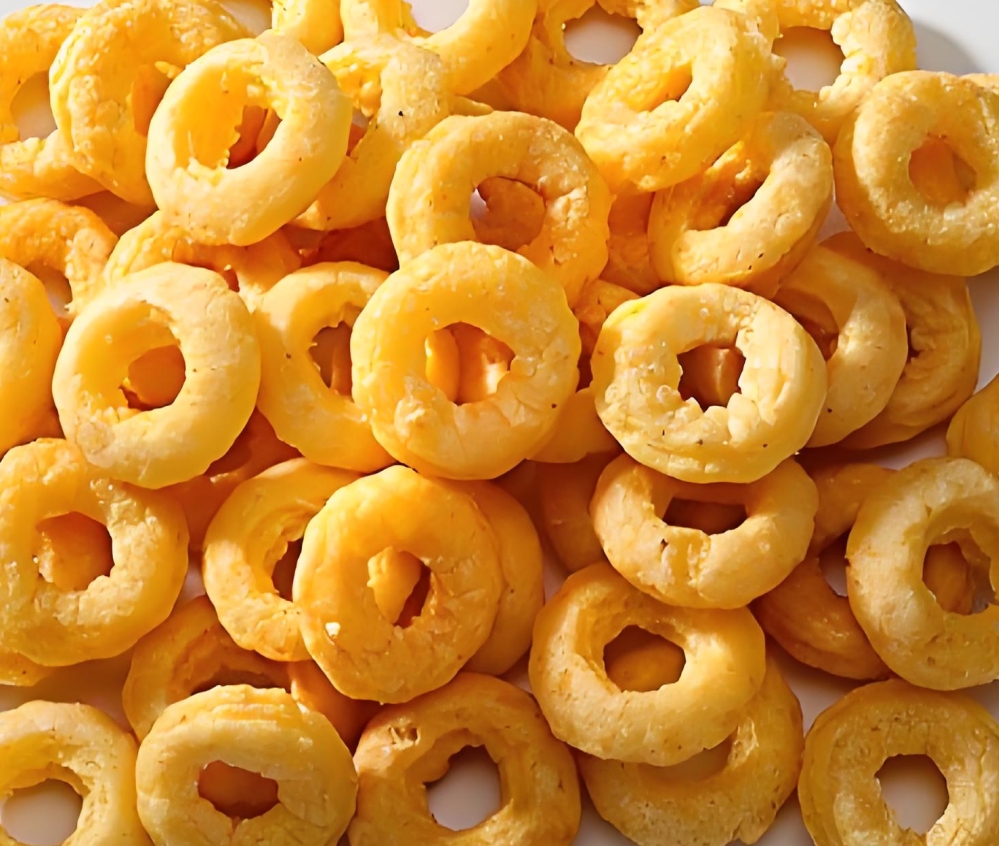
Mastering Temperature Control in Puffed Snack Production
In the world of puffed snack manufacturing, temperature is not just a setting on a machine; it is the fundamental variable that dictates product quality, texture, expansion, and shelf life. Precise thermal control at every stage of production is what separates a superior, consistent snack from a failed batch. Here’s a comprehensive guide on how to control temperature effectively.
1. The Critical Stages for Temperature Control
Temperature management is crucial at several key points in the production line:
- Pre-conditioning & Mixing: The initial temperature of the water and dry mix.
- Extrusion Cooking: The most thermally intensive stage.
- Drying: For stabilizing the puffed pellets.
- Frying (if applicable): For achieving final texture and moisture content.
- Oil & Seasoning Application: For optimal adhesion and flavor.
- Cooling: Before packaging.
2. Controlling Temperature in the Extruder
The extruder is the heart of the process, where the magic of puffing happens. Temperature here is controlled in multiple Barrel Zones.
- Feed Zone (Cooler Temperature): The first zone where the moistened dough enters. Temperature is kept relatively low to allow the material to be conveyed forward smoothly without cooking prematurely.
- Compression & Cooking Zones (High Temperature): Subsequent zones are heated—often via steam-heated jackets or electric bands—to raise the temperature to 120-175°C (250-350°F). This heat, combined with mechanical shear from the screws, cooks the dough, gelatinizes the starch, and turns the moisture into superheated steam.
- Melt Zone (Pre-Die, Precise Temperature): The final zone before the die must maintain a very specific, stable temperature. This ensures the dough is in a uniform, plasticized state ready for puffing.
How to Control It:
- Use PLCs (Programmable Logic Controllers): Modern extruders are equipped with automated systems that allow operators to set precise temperature profiles for each barrel zone.
- Monitor Screw Speed: The rotation speed of the screws generates frictional heat (dielectric heat). Faster speeds generate more heat. Therefore, temperature control is a balance between external heating and internal shear heat. The PLC can adjust both to maintain the setpoint.
- Consistent Moisture Input: The water content of the dough acts as a coolant. A consistent moisture feed is essential for stable thermal control, as variations will drastically change the product’s temperature.
3. Controlling Temperature in Drying and Frying
Drying:
- Purpose: To reduce the moisture content of the extruded product to a stable level (~1-3%).
- Control: Multi-pass dryers use controlled hot air. The temperature is typically set between 80-120°C (175-250°F). The key is gentle, even drying. Temperature that is too high can case-harden the snack (creating a hard shell that traps moisture inside) or cause burning. Precise airflow and temperature settings are controlled via the dryer’s automated system.
Frying:
- Purpose: To cook, dry, and add flavor simultaneously.
- Control: Oil temperature is paramount and must be held within a narrow range, typically 160-190°C (320-375°F).
- Too Low (<160°C): The snack will absorb excessive oil, becoming greasy, soggy, and pale.
- Too High (>190°C): The snack will burn on the outside while remaining undercooked inside, and harmful compounds can form in the oil.
- How to Control It: Use high-precision thermostats and continuous oil filtration systems. Modern fryers have automated heating elements that maintain the set temperature within a degree.
4. Controlling Temperature in Seasoning and Cooling
Seasoning:
- Oil Temperature: The oil used as a seasoning binder must be warmed, typically to 50-60°C (120-140°F).
- Why? Warm oil is less viscous, allowing it to be sprayed as a fine, even mist that coats the product uniformly. Cold oil will clump and lead to uneven, greasy patches.
- Product Temperature: The puffed pellets should be cooled to near ambient temperature before entering the seasoning drum. If they are too hot, the seasoning will clump, melt, or become rancid.
Cooling:
- After seasoning, the product must be cooled adequately before packaging.
- Why? Packaging a warm product leads to condensation inside the bag. This moisture will migrate to the snacks, making them soft and chewy, and promotes microbial growth and rancidity.
- Control: Use cooling conveyors or tunnels with ambient or slightly chilled air to bring the product to room temperature.
5. Key Tools for Effective Temperature Control
- Sensors and Probes: Accurate RTDs (Resistance Temperature Detectors) or thermocouples are installed at every critical control point (extruder barrels, fryer oil, dryer air, etc.).
- Automated Control Systems: PLCs continuously receive data from sensors and automatically adjust heaters, coolers, and screw speeds to maintain the pre-set parameters.
- Data Logging: Modern systems record temperature data over time. This allows for quality tracing: if a batch has issues, engineers can review the temperature profile to diagnose the root cause.
Common Temperature-Related Problems & Solutions:
| Problem | Likely Temperature Cause | Solution |
|---|---|---|
| Dense, Hard Product | Extruder temperature too low; insufficient cooking. | Increase temperature in cooking zones. |
| Burned Tastes/Discoloration | Extruder or fryer temperature too high. | Reduce temperature; check for dead spots in oil. |
| Excessive Oil Absorption | Frying temperature too low. | Increase oil temperature to setpoint. |
| Uneven Expansion | Inconsistent temperature across extruder zones. | Calibrate sensors; ensure barrel heating is even. |
| Seasoning Clumping | Product too hot when seasoning applied. | Ensure product is cooled before seasoning drum. |
| Soggy or Soft Texture | Insufficient drying; packaging while warm. | Adjust dryer temp/time; ensure proper cooling. |
Conclusion:
Controlling temperature in puffed snack production is a science of balance and precision. It is not a set-and-forget parameter but requires constant monitoring and subtle adjustments. By understanding its impact at each stage and leveraging modern automated control systems, producers can achieve the perfect crunch, expansion, and flavor that define a high-quality puffed snack.




 English
  Russian
  Arabic
  Spanish
  Italian
  Portuguese
  French
  German