
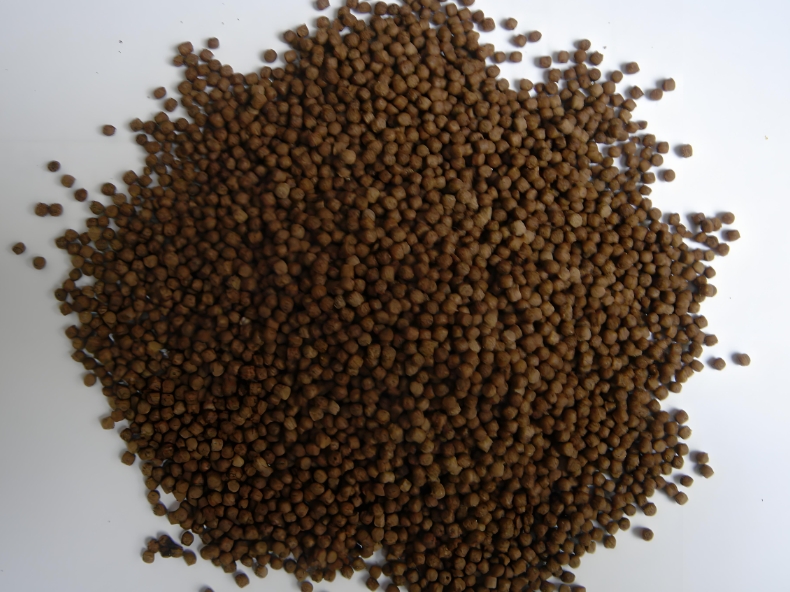
Producing High-Quality Fish Feed: A Comprehensive Guide
The production of high-quality fish feed is a precise science that blends nutrition, technology, and stringent quality control. Superior feed directly influences growth rates, health, feed conversion ratios (FCR), and environmental sustainability in aquaculture. Here’s a detailed guide to producing premium fish feed.
1. Start with Superior Ingredients
The foundation of high-quality feed lies in ingredient selection:
- Protein Sources: Use highly digestible, aquatic-based proteins like fish meal (from sustainable sources), squid meal, krill meal, or fermented plant proteins (e.g., soybean meal with reduced anti-nutrients).
- Fats and Oils: Incorporate stable, high-omega-3 oils such as fish oil, algae oil (for DHA/EPA), and phospholipids to support immunity and growth.
- Carbohydrates: Select low-glycemic, water-stable binders like wheat gluten, alginate, or gum arabic instead of cheap fillers (e.g., corn starch).
- Additives: Include essential vitamins (A, C, E, D), minerals (phosphorus, zinc), probiotics, and natural pigments (astaxanthin, spirulina) for coloration and health.
2. Advanced Formulation Design
- Species-Specific Nutrition: Tailor recipes to the digestive physiology and requirements of the target species (e.g., high protein for carnivorous fish like salmon; balanced plant-based diets for tilapia).
- Nutrient Balance: Ensure optimal protein-to-energy ratios and amino acid profiles (e.g., methionine, lysine) to avoid deficiencies or excesses.
- Digestibility Optimization: Use pre-digested proteins (hydrolyzed meals) and enzyme treatments (phytase) to enhance nutrient absorption.
3. Precision Grinding and Mixing
- Micro-Grinding: Grind ingredients to a particle size of 80–120 microns to improve homogeneity, binding, and digestibility.
- Homogeneous Mixing: Use double-shaft mixers or ribbon blenders to ensure uniform distribution of micronutrients (vitamins, minerals) throughout the batch.
4. Thermo-Mechanical Processing via Extrusion
Extrusion is the gold standard for producing high-quality fish feed. Key steps include:
- Pre-Conditioning: Inject steam and liquid ingredients (water, oils) to hydrate the mixture and initiate starch gelatinization.
- Cooking Extrusion: Use a twin-screw extruder for superior control over temperature (90–150°C), pressure (20–40 bar), and shear force. This:
- Gelatinizes starches for better binding and digestibility.
- Denatures anti-nutritional factors.
- Sterilizes the feed by killing pathogens.
- Die Design: Select die holes matching the desired pellet size (0.5mm for fry; 2–10mm for adult fish).
- Density Control: Adjust extrusion parameters to produce floating (expanded, porous) or sinking (dense, slow-sinking) pellets.
5. Post-Extrusion Processing
- Drying: Reduce moisture content to <10% using multi-stage dryers (e.g., belt dryers) at controlled temperatures (80–100°C) to prevent nutrient degradation.
- Fat Coating: Vacuum-coat pellets with heat-sensitive oils (fish oil, vitamins) after drying to preserve nutrient integrity.
- Cooling: Stabilize pellets to ambient temperature to prevent condensation and mold growth.
6. Quality Assurance and Testing
- Proximate Analysis: Measure crude protein, fat, fiber, and ash content to verify formulation accuracy.
- Water Stability: Submerge pellets in water for 1–2 hours; high-quality feed should maintain integrity with minimal leaching.
- Digestibility Trials: Conduct in-vivo/in-vitro tests to assess nutrient absorption rates.
- Pathogen Screening: Test for Salmonella, E. coli, and aflatoxins to ensure safety.
- Pellet Durability Index (PDI): Use a tumbler test to evaluate hardness and reduce fines generation.
7. Packaging and Storage
- Airtight Packaging: Use bags with oxygen barriers and nitrogen flushing to prevent lipid oxidation and nutrient loss.
- Cool, Dry Storage: Maintain temperatures below 25°C and humidity under 60% to preserve freshness.
8. Sustainability and Innovation
- Alternative Proteins: Incorporate insect meal, microbial protein, or algae to reduce reliance on wild-caught fishmeal.
- Circular Economy: Use byproducts from fisheries/agriculture (e.g., poultry meal, rice bran) to lower environmental impact.
- Precision Feeding: Develop feeds with optimized FCR to minimize waste and water pollution.
Key Challenges and Solutions
- Nutrient Leaching: Use binders (alginate, guar gum) and optimized extrusion to reduce leaching.
- Oxidation: Add natural antioxidants (e.g., vitamin E, rosemary extract) to oils.
- Cost Management: Balance premium ingredients with operational efficiency to maintain affordability.
Conclusion
Producing high-quality fish feed requires a multidisciplinary approach: selecting nutrient-dense ingredients, leveraging extrusion technology, and implementing rigorous quality control. By prioritizing digestibility, water stability, and safety, producers can support sustainable aquaculture growth, reduce environmental impact, and ensure the health of farmed fish. Continuous innovation in ingredient sourcing and processing will further elevate feed quality and efficiency in the future.




 English
  Russian
  Arabic
  Spanish
  Italian
  Portuguese
  French
  German